Why We Chose Oak: A Cross Built to Return to the Earth, Not Outlive It
There's a quiet decision behind every cross we make, one that happens long before any carving begins: the choice of material.
We use 100% oak, sustainably sourced, with no synthetic materials anywhere in the piece. It's a decision rooted in craftsmanship, but increasingly, it's one rooted in something bigger too.
Plastic has become so embedded in modern life that it's easy to forget just how long it actually sticks around.
Plastic additives can extend a product's life well beyond its use, with some estimates putting the breakdown time at 400 years or more. To put that in perspective: a single plastic memorial marker placed today could still be sitting in the ground, barely changed, when the 25th century arrives. Globally, half of all the plastic ever manufactured has been made in just the last 15 years, a staggering acceleration that shows no sign of slowing.
The scale of the problem becomes even clearer at sea.
Roughly eight million tons of plastic waste escapes into the ocean from coastal nations every year, and once there, sunlight and wave action break it down into microplastics that have now been found from Mount Everest to the Mariana Trench. Closer to home, the picture isn't much better: plastic waste in UK landfill often does not decompose at all, and can persist for centuries, leaching into soils and waterways as it slowly breaks apart.
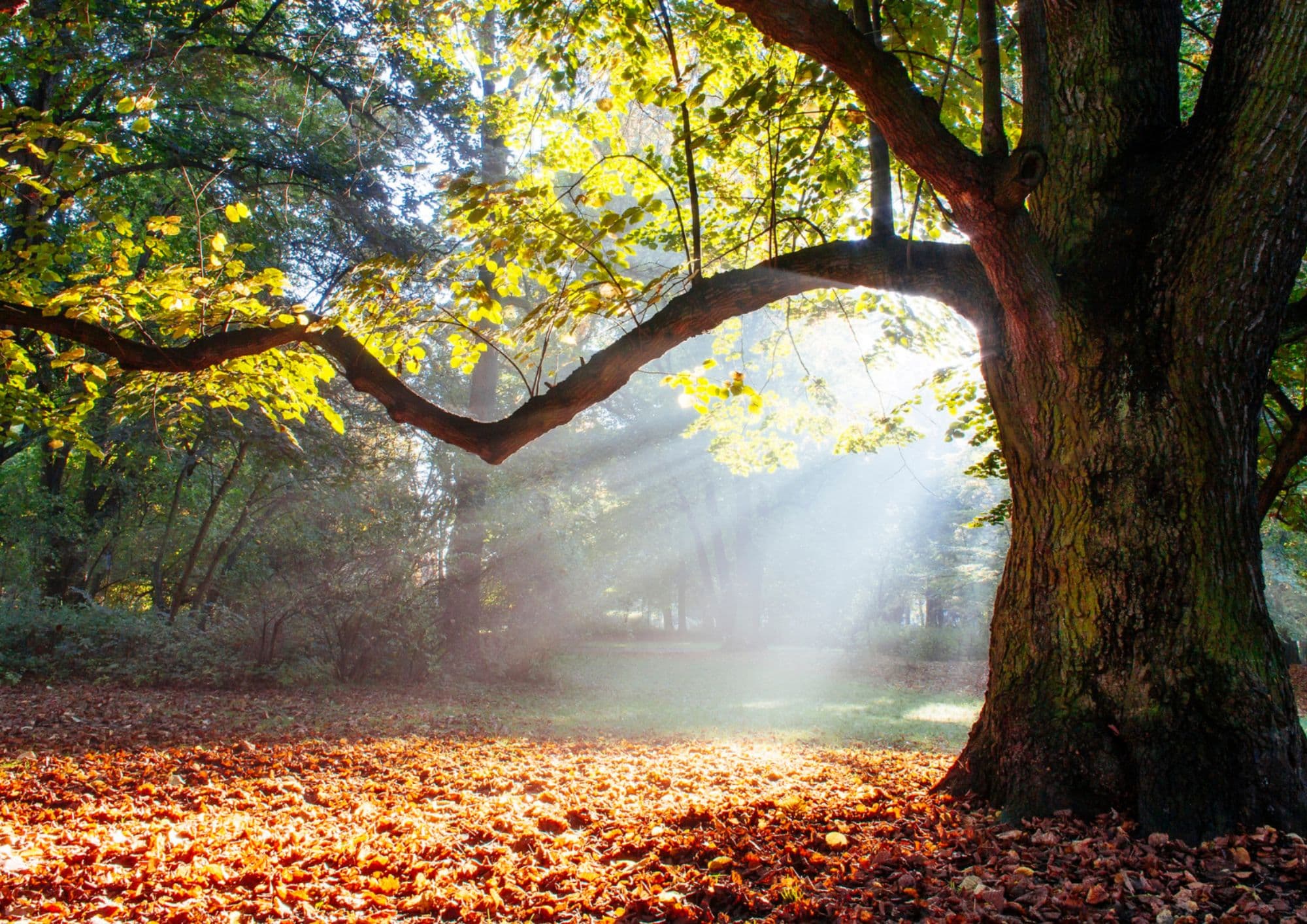
It's against that backdrop that working with oak feels like such a meaningful choice. Oak is a natural, renewable material; when it's finally returned to the earth, it breaks down and becomes part of it again, rather than lingering as waste for generations. There's no plastic resin, no synthetic coating, nothing that will still be sitting in a cemetery in 400 years' time. Just timber, carefully sourced, carved by hand, and finished with a natural oil-based protection that lets the wood breathe rather than seal it away in something it can never return from.
For us, that matters deeply.
A memorial is meant to be a place of peace, not a quiet contributor to a much bigger problem. Choosing oak means choosing a material that respects both the person being remembered and the world they're being remembered in. It's slower than mass production, and it's certainly not the cheapest option on the market, but it's the only way we'd want to do this work.
We won't pretend a handful of crosses can solve a crisis as vast as global plastic pollution. But we do believe small, consistent choices add up, and that the materials we choose to surround loss with should never add to the burden the next generation has to carry. Oak has done that job for centuries already, quietly, reliably, and without leaving anything behind that shouldn't be there.